




ERV & HRV Systems for Strata Buildings & Multi-Unit Properties
Commercial Ventilation Solutions – VanHeat Services
Why Multi-Unit Buildings Need Professional ERV/HRV Solutions
Modern strata buildings face unique ventilation challenges. A single ventilation failure can affect dozens of units, trigger moisture problems throughout the building, and generate resident complaints. That’s why property managers and strata councils across Metro Vancouver trust VanHeat’s 15 years of specialized experience in commercial ventilation systems.
The Multi-Unit Ventilation Challenge
While single-family homes might rely on basic exhaust fans, strata properties require comprehensive solutions that meet strict BC Building Code requirements and ensure resident comfort across every unit.
Centralized Ventilation Systems
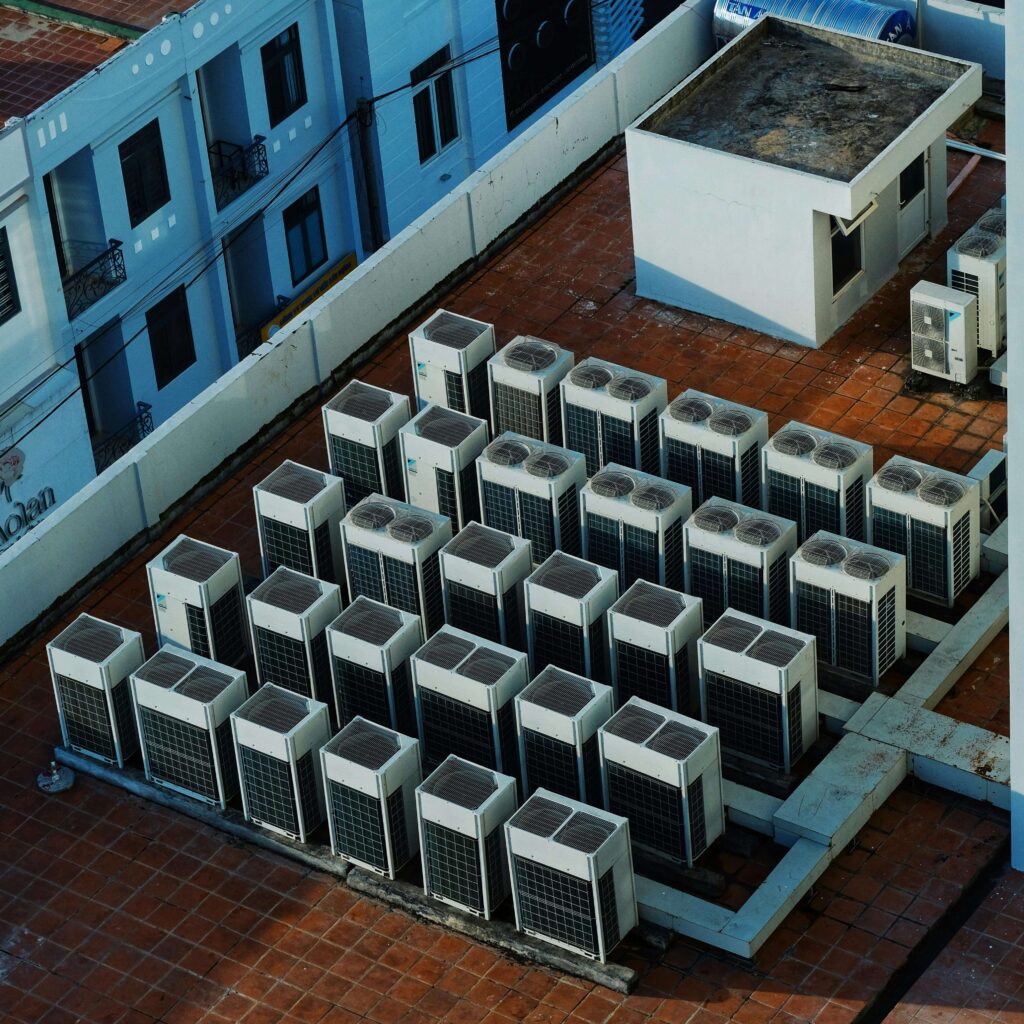
Professional ERV and HRV systems serve multiple units simultaneously, ensuring consistent fresh air delivery to every suite. Our commercial grade installations are designed specifically for multi-unit residential properties.
Balanced Airflow Management
Every suite receives proper fresh air through precision engineered ductwork and airflow balancing. We ensure compliance with provincial ventilation standards while maintaining resident comfort year round.
Round the Clock Reliable Operation
Our systems provide continuous operation to prevent building-wide air quality issues. With preventative maintenance programs and emergency support, we minimize downtime and keep your building’s air fresh around the clock.
BC Building Code Compliance
All installations meet strict BC Building Code requirements for multi-family dwellings. We handle all permits, inspections, and documentation needed for strata compliance and AGM presentations.
Energy Efficient Operation
Control strata operating costs with systems that recover up to 95% of heating and cooling energy. Our energy efficient solutions qualify for BC rebate programs and reduce monthly utility expenses.
Coordinated Maintenance
Minimize resident disruption with scheduled maintenance programs coordinated through your property manager. We provide advance notice, work during convenient hours, and maintain detailed records for strata documentation.
Ready to Improve Your Building’s Ventilation?
Contact VanHeat today for a free building assessment and quote

What Are ERV and HRV Systems?
Heat Recovery Ventilator (HRV)
HRV systems transfer heat between incoming and outgoing air streams, pre-warming fresh outdoor air in winter using heat from stale indoor air being exhausted. This dramatically reduces heating costs while ensuring proper ventilation in multi-unit residential buildings.
Recovers 60 to 95% of heating energy
Reduces HVAC load during winter months
Maintains consistent fresh air supply
Ideal for Vancouver’s cold, damp winters
Energy Recovery Ventilator (ERV)
ERV systems go beyond heat recovery by also transferring moisture between air streams. This is particularly beneficial for strata buildings in coastal climates like Vancouver, where humidity control is important for preventing mold and maintaining comfortable indoor conditions.
Manages both heat and humidity
Prevents excess moisture in coastal climates
Reduces condensation on windows
Better for year-round comfort in Metro Vancouver
HRV vs ERV: Which System for Your Strata Building?
For most Metro Vancouver strata buildings, we recommend ERV systems because:
Vancouver’s coastal climate requires humidity management
ERV prevents winter condensation issues common in sealed buildings
Better control of mold and mildew in high-occupancy buildings
Year-round performance in both heating and cooling seasons
Why Strata Buildings Need ERV/HRV Systems
Modern strata buildings and condominiums are built to be energy efficient with tight building envelopes. While this reduces heating and cooling costs, it also traps stale air, moisture, and indoor pollutants. ERV and HRV systems solve this problem by providing continuous mechanical ventilation.
Benefits for Strata Buildings and Property Managers
Code Compliance & Safety
BC Building Code compliance for multi-unit residential buildings
WorkSafeBC regulation adherence
Proper documentation for AGM presentations and strata records
Indoor Air Quality
Continuous fresh air reduces odors, allergens, and indoor pollutants
Eliminates stuffy air in hallways and common areas
Reduces cooking odors between units
Controls bathroom and laundry room humidity
Moisture & Mold Prevention
Prevents condensation on windows and walls
Controls humidity levels throughout the building
Eliminates musty odors from poor ventilation
Protects building envelope from moisture damage
Energy Savings & Operating Costs
Reduces heating and cooling expenses for the strata
Lowers utility bills for both common areas and individual units
Typical ROI within 7 to 10 years with available rebates
Resident Satisfaction & Property Value
Better air quality and comfort increase property value
Fewer resident complaints about air quality
Reduced HVAC load extends equipment life
Quieter operation than traditional exhaust fans
Ready to Improve Your Strata Building’s Ventilation?
Get a free assessment and discover how ERV/HRV systems can benefit your property
Call (604) 281-4790 Request Free QuoteVanHeat's ERV/HRV Services for Strata & Property Management
VanHeat understands the unique needs of strata councils and property managers. We provide comprehensive ERV and HRV services specifically designed for multi-unit residential buildings, condominiums, and townhome complexes.
ERV and HRV installation, maintenance, emergency repair, and retrofits
VanHeat supports multi unit ventilation projects end to end, from load calculations and design to commissioning, airflow balancing, and documented maintenance. Our approach is built around clear communication, resident coordination, and compliance with code and strata requirements.
Service categories
1. ERV and HRV installation for strata buildings
We design and install commercial grade ERV and HRV systems sized appropriately for your building occupancy and ventilation requirements. Installations align with BC Building Code, WorkSafeBC regulations, and strata bylaws.
- Building assessment and ventilation load calculations
- System design and equipment selection for multi unit applications
- Professional installation by licensed gas fitters and HVAC technicians
- Ductwork modifications and balancing as needed
- Control system setup and integration with existing HVAC
- Commissioning and system performance verification
- Airflow balancing across all units and common areas
- Staff training on system operation and basic troubleshooting
- Detailed documentation for strata records
- Coordination with residents to minimize disruption
Brands we install and service
- Venmar
- Broan
- Fantech
- Lifebreath
- Renewaire
- Other commercial grade manufacturers
Example project
In a Burnaby mid rise (32 units), VanHeat installed a centralized ERV system replacing aging exhaust fans. The project included crane lifted rooftop equipment installation, new ductwork to 8 units with poor ventilation, and integration with the building automation system. Work was completed over two weekends to reduce resident impact. Result: 40% reduction in heating costs and elimination of moisture related resident complaints.
2. ERV and HRV maintenance for property managers
Regular maintenance protects performance, reduces complaints, and extends equipment life. Programs are structured for strata buildings and property management reporting.
Quarterly maintenance services
- Filter replacement and inspection
- Visual inspection of heat exchanger cores
- Fan operation check
- Condensate drain verification
- Control system testing
- Quick performance report
Annual comprehensive maintenance
- Heat exchanger core deep cleaning
- Fan motor inspection, testing, and lubrication
- Condensate drain line cleaning and treatment
- Damper operation verification and adjustment
- Full control system diagnostic testing
- Airflow measurement and balancing across all zones
- Refrigerant check (if applicable)
- Electrical connection inspection
- Belt inspection and adjustment (if applicable)
- Comprehensive maintenance report for strata records and AGM presentations
Preventative maintenance benefits
- Extends equipment lifespan by 5 to 10 years
- Prevents costly emergency repairs
- Maintains energy efficiency
- Reduces resident complaints
- Ensures warranty compliance
- Provides documentation for insurance and resale
3. ERV and HRV repair and emergency service
Fast, professional troubleshooting and repairs for motor failures, control issues, airflow problems, condensation concerns, and noise or vibration.
24/7 emergency service available
Call (604) 281-4790 for urgent ventilation issues.
Common repairs we handle
- Motor and fan failures
- Control board replacements
- Sensor and thermostat issues
- Damper repairs and replacements
- Condensate drain blockages
- Heat exchanger cleaning and repair
- Ductwork leaks and disconnections
- Electrical issues
- Airflow balancing problems
- Noise and vibration issues
Emergency response
- Same day service for emergencies
- 2 to 3 hour response time for urgent calls
- Weekend and after hours availability
- Temporary solutions while awaiting parts
- Clear communication with property managers and residents
Example emergency response
A Richmond high rise experienced complete ERV system failure during a January cold snap affecting 40 units. VanHeat responded within 2 hours, diagnosed a failed control board, and installed a temporary bypass system the same evening to restore ventilation. The permanent repair was completed within 48 hours with a new control board. Total building downtime: under 24 hours.
4. System upgrades and retrofits
Many older strata buildings were built with inadequate ventilation or outdated systems. VanHeat retrofits modern ERV and HRV solutions into existing buildings with minimal disruption and improved energy performance.
- Assessment of existing ventilation systems
- Recommendations for ERV and HRV retrofits
- Integration with existing HVAC systems
- Minimal disruption during installation
- Energy efficiency improvements
- Code compliance updates
Serving strata buildings throughout Metro Vancouver
VanHeat provides ERV and HRV services for strata buildings and multi unit properties across the Lower Mainland, working closely with councils, property managers, and building operators.
Primary service areas
- 📍 Vancouver (Downtown, West End, Kitsilano, Mount Pleasant, East Van)
- 📍 Burnaby (Metrotown, Brentwood, Edmonds, Lougheed)
- 📍 Surrey (City Centre, Guildford, Cloverdale, Newton)
- 📍 Richmond (City Centre, Steveston, Terra Nova)
- 📍 Coquitlam (City Centre, Burke Mountain, Port Coquitlam, Port Moody)
- 📍 New Westminster (Downtown, Queensborough, Sapperton)
- 📍 North Vancouver (Lower Lonsdale, Central Lonsdale, Lynn Valley)
- 📍 West Vancouver (Ambleside, Dundarave, West Bay)
- 📍 Tri Cities (Coquitlam, Port Coquitlam, Port Moody)
Extended service areas
- 📍 Delta
- 📍 Tsawwassen
- 📍 Ladner
- 📍 Langley
- 📍 Maple Ridge
- 📍 Pitt Meadows
- 📍 White Rock
- 📍 Abbotsford
We work with strata councils, property management companies, building managers, and strata property agents throughout the Lower Mainland.
Why strata councils choose VanHeat
Built for councils, property managers, and building operators who need reliable ventilation work, clear documentation, and clean coordination with residents.
Specialized strata experience (18+ years)
- ✅ We understand strata regulations, AGM requirements, and property management needs
- ✅ Experience with buildings from 6 to 200+ units
- ✅ Knowledge of common strata bylaw requirements
- ✅ Familiar with strata procurement processes
Commercial expertise
- ✅ Specialized in multi unit residential buildings, not single family homes
- ✅ Experience with centralized systems serving multiple units
- ✅ Understanding of shared ventilation challenges
- ✅ Expertise in high rise and mid rise mechanical systems
Code compliance and documentation
- ✅ All work meets BC Building Code and WorkSafeBC standards
- ✅ Licensed gas fitters and HVAC technicians
- ✅ Proper permits and inspections handled
- ✅ Detailed reports for strata records and AGM presentations
Insurance and liability protection
- ✅ $5 million liability coverage for strata peace of mind
- ✅ WCB coverage for all technicians
- ✅ Bonded and insured
- ✅ Safety protocols for multi unit buildings
Transparent pricing and communication
- ✅ Clear quotes for strata budget planning
- ✅ No hidden fees or surprise charges
- ✅ Detailed scope of work documentation
- ✅ Regular updates to property managers
Resident first approach
- ✅ Coordination with property managers to minimize disruption
- ✅ Advance notice to residents when required
- ✅ Professional, courteous technicians
- ✅ Respect for building rules and resident privacy
Preventative programs
- ✅ Scheduled maintenance to prevent costly emergency repairs
- ✅ Customized service plans for each building
- ✅ Reminder system for scheduled maintenance
- ✅ Priority service for maintenance contract clients
If you need a documented plan for installation, maintenance, or repairs, VanHeat can provide a clear scope, scheduling plan, and strata ready reporting.
Request a strata assessment
We will review ventilation performance, equipment condition, and documentation needs, then provide a clear scope for approval.
Common ERV and HRV issues in strata buildings
VanHeat regularly services strata buildings experiencing these ventilation problems. Many comfort, moisture, and air quality complaints trace back to ventilation balance, controls, or deferred maintenance.
Moisture related problems
- 💧 Condensation on windows — Excess humidity not being removed by the ventilation system
- 💧 Mold growth in bathrooms or closets — Insufficient fresh air circulation
- 💧 Musty odors in units or hallways — Poor ventilation and trapped moisture
- 💧 Water stains on walls or ceilings — Condensation from inadequate ventilation
Air quality issues
- 🌿 Stuffy air in units — Insufficient fresh air supply
- 🌿 Cooking odors between units — Unbalanced ventilation pressure
- 🌿 Bathroom humidity not clearing — Inadequate exhaust capacity
- 🌿 Dust accumulation — Poor filtration or air circulation
- 🌿 Allergen complaints — Insufficient fresh air dilution
System performance problems
- ⚙️ Loud fan operation — Worn bearings, unbalanced fans, or improper installation
- ⚙️ Unbalanced airflow — Some units receive too much or too little ventilation
- ⚙️ Constant cycling — Control issues or improper system sizing
- ⚙️ Weak airflow — Clogged filters, dirty cores, or duct issues
Cost and efficiency concerns
- 💲 High energy bills — Inefficient operation or lack of maintenance
- 💲 Frequent breakdowns — Deferred maintenance causing repeat failures
- 💲 Ice buildup in winter — Inadequate defrost cycle or drainage
- 💲 System not running — Control failures or electrical issues
Proper diagnosis usually includes filter and core inspection, control verification, condensate drainage checks, and airflow measurement to confirm the building is balanced and operating as designed.
Need help diagnosing a ventilation issue
VanHeat can assess system performance, moisture risk, and airflow balance, then provide strata ready documentation and a clear scope of work.
Strata ERV/HRV Frequently Asked Questions
System Selection & Installation
What's the difference between ERV and HRV for strata buildings?
HRV (Heat Recovery Ventilator) transfers heat between incoming and outgoing air. ERV (Energy Recovery Ventilator) also transfers moisture, making it better for coastal climates like Vancouver. For most Metro Vancouver strata buildings, ERV systems are recommended to control both temperature and humidity, especially in buildings with condensation or mold issues.
How do I know if my strata building needs an ERV or HRV system?
Your building likely needs improved ventilation if you’re experiencing: condensation on windows, mold growth, musty odors, resident complaints about air quality, stuffy common areas, or high heating/cooling costs. Buildings constructed or renovated after 2008 should already have mechanical ventilation per BC Building Code.
What size ERV/HRV system does my strata building need?
System sizing depends on building occupancy, number of units, square footage, and BC Building Code requirements. VanHeat performs ventilation load calculations based on your building’s specific characteristics. Undersized systems won’t provide adequate ventilation; oversized systems waste energy and create pressure imbalances.
Can an ERV/HRV system be installed in an older building without existing ductwork?
System sizing depends on building occupancy, number of units, square footage, and BC Building Code requirements. VanHeat performs ventilation load calculations based on your building’s specific characteristics. Undersized systems won’t provide adequate ventilation; oversized systems waste energy and create pressure imbalances.
What does ERV/HRV installation cost for a strata building?
Costs vary based on building size, number of units, and existing infrastructure:
- Small buildings (6-12 units): $8,000-$20,000
- Mid-rise buildings (20-40 units): $15,000-$40,000
- High-rise buildings (50+ units): $35,000-$100,000+
VanHeat provides detailed quotes for strata budget planning. Systems typically pay for themselves through energy savings within 7-10 years.
How long does ERV/HRV installation take in a strata building?
Installation timelines vary:
- Small buildings: 2-5 days
- Mid-rise buildings: 1-2 weeks
- High-rise buildings: 2-4 weeks
We coordinate schedules to minimize resident disruption, often working evenings or weekends for common area access. Critical path work (mechanical room installation) typically takes 1-3 days.
Will installation disrupt residents?
VanHeat coordinates with property managers to minimize disruption:
- Advance notice to residents
- Scheduling work during business hours when possible
- Limiting common area access times
- Providing temporary ventilation during installation
- Clean job sites daily
- Professional, courteous technicians
Most residents experience minimal disruption. Common area work (mechanical rooms, rooftops) typically doesn’t affect residents directly.
Maintenance & Service
How often should strata buildings service their ERV/HRV systems?
We recommend:
- Quarterly: Filter changes and basic inspections
- Annually: Comprehensive maintenance including heat exchanger cleaning, motor servicing, and performance testing
Buildings with high occupancy, coastal exposure, or previous moisture issues may benefit from more frequent service. Regular maintenance prevents costly breakdowns and extends system life by 5-10 years.
What happens if we don't maintain our ERV/HRV system?
Neglected systems experience:
- Reduced airflow and ventilation effectiveness
- Higher energy consumption (20-40% increase)
- Motor and fan failures
- Heat exchanger clogging reducing efficiency
- Moisture problems and mold growth
- Resident complaints about air quality
- Premature system failure (often within 5-7 years instead of 15-20)
- Potential code violations
Can we perform ERV/HRV maintenance ourselves?
Property managers or building staff can handle basic filter changes if filters are accessible. However, comprehensive maintenance requires:
- Specialized tools for heat exchanger cleaning
- Technical knowledge for motor inspection and balancing
- Electrical expertise for control system testing
- Access to elevated equipment (rooftops, mechanical rooms)
VanHeat recommends professional maintenance for strata buildings to ensure proper system performance and warranty compliance.
Do ERV/HRV systems need filter changes?
Yes. Filters should be changed:
- Every 3 months for standard filters
- Every 2 months for buildings with high occupancy or poor outdoor air quality
- Immediately if visibly dirty or clogged
Dirty filters reduce system efficiency, increase energy costs, and can damage motors. VanHeat provides filter replacement as part of maintenance contracts or on-demand service.
What's included in VanHeat's annual maintenance?
Our comprehensive annual service includes:
- Heat exchanger core deep cleaning
- Fan motor inspection and lubrication
- Filter replacement
- Condensate drain cleaning
- Damper operation testing
- Control system diagnostics
- Airflow measurement and balancing
- Electrical connection inspection
- Performance testing
- Detailed written report for strata records
How do we know if our ERV/HRV system needs repair?
Warning signs include:
- Unusual noises (grinding, squealing, banging)
- Weak airflow in some or all units
- System cycling on and off frequently
- Ice buildup in winter
- Water leaks or condensation
- Error codes on control panel
- Increasing energy bills
- Resident complaints about air quality
Contact VanHeat immediately if you notice any of these issues. Early intervention prevents minor problems from becoming major repairs.
Performance & Troubleshooting
Why is there condensation on windows even with an ERV/HRV system?
Possible causes:
- System not running enough hours per day
- Inadequate system capacity for building occupancy
- Clogged filters reducing airflow
- Unbalanced airflow (exhaust exceeding supply)
- Heat exchanger clogged or frozen
- Windows themselves (single-pane or poor seals)
VanHeat can diagnose the cause and recommend solutions, which may include increasing runtime, balancing airflow, or supplementing with additional ventilation.
Why does our ERV/HRV system make noise?
Common noise sources:
- Worn motor bearings (grinding sound)
- Unbalanced fan blades (rumbling)
- Loose mounting (vibration)
- Damaged heat exchanger (rattling)
- Ductwork issues (whistling)
- Inadequate vibration isolation (structure-borne noise)
Most noise issues can be resolved through repair or adjustment. VanHeat can assess your system and recommend solutions to meet strata noise bylaws.
Why are some units getting more/less ventilation than others?
Airflow imbalances occur due to:
- Improper duct sizing during installation
- Blocked or restricted ductwork
- Dampers not properly adjusted
- Different pressure conditions between units
- Resident modifications (blocked vents, closed doors)
VanHeat can rebalance your system using airflow measurements and damper adjustments to ensure each unit receives proper ventilation per BC Building Code.
Can ERV/HRV systems help with mold problems in our strata?
Yes! Mold growth requires three conditions: moisture, organic material (drywall, wood), and warm temperatures. ERV/HRV systems eliminate the moisture component by:
- Controlling humidity levels throughout the building
- Providing continuous fresh air circulation
- Removing moisture-laden air from bathrooms and kitchens
- Preventing condensation on surfaces
Many strata buildings have successfully resolved mold issues by upgrading their ventilation systems. However, existing mold must be professionally remediated before improved ventilation can prevent recurrence.
Why does the system freeze up in winter?
Winter freezing can be caused by:
- Inadequate or malfunctioning defrost cycle
- Blocked condensate drain
- Unbalanced airflow (too much exhaust vs supply)
- Outdoor temperature below system rating
- Damaged or clogged heat exchanger
VanHeat can diagnose freezing issues and implement solutions like defrost cycle adjustment, preheating, or condensate management improvements.
How much energy does an ERV/HRV system save?
Energy savings vary by building but typically:
- 60-95% of heating/cooling energy recovered (compared to opening windows)
- 20-40% reduction in HVAC operating costs
- $500-$5,000+ annual savings for typical strata buildings
- ROI within 7-10 years
Actual savings depend on building size, occupancy, climate zone, and existing HVAC efficiency. VanHeat can provide estimates based on your specific building.
Code Compliance & Requirements
Are ERV/HRV systems required by BC Building Code?
BC Building Code requires mechanical ventilation for:
- All new construction (since 2008)
- Major renovations involving building envelope improvements
- Buildings with occupancy changes increasing ventilation requirements
ERV and HRV systems are the most energy-efficient way to meet these requirements for multi-unit residential buildings. Older strata buildings may not be legally required to retrofit, but proper ventilation is essential for air quality, preventing moisture problems, and maintaining property value.
What ventilation rates are required for strata buildings?
BC Building Code specifies minimum ventilation rates based on:
- Floor area
- Number of bedrooms
- Occupancy type
- Building height
Typical requirements: 7.5-10 L/s per bedroom plus additional for common areas. VanHeat performs calculations to ensure your system meets or exceeds code requirements.
Do we need permits for ERV/HRV installation?
Yes. Permits are typically required for:
- Gas connections (if applicable)
- Electrical connections
- Ductwork modifications
- Structural penetrations
VanHeat handles all permit applications, inspections, and approvals as part of our installation service.
Will installing an ERV/HRV system affect our building insurance?
Improved ventilation systems typically benefit insurance:
- Reduced risk of mold and moisture damage
- Better code compliance
- Modern, maintained mechanical systems
Some insurers may offer premium reductions for buildings with proper ventilation. VanHeat can provide documentation of installation and maintenance for your insurance company.
Strata-Specific Questions
How do we present an ERV/HRV project to owners at an AGM?
VanHeat can assist with AGM presentations by providing:
- Written proposals with clear cost-benefit analysis
- Technical specifications in plain language
- Energy savings projections
- Maintenance requirement summaries
- Comparison of options (repair vs replace)
- Answers to owner questions
We can also attend AGMs to present directly if requested.
Can individual owners upgrade their suite ventilation independently?
This depends on your strata bylaws and building design. Options include:
- Central system modifications (requires strata approval)
- Unit-level ERV/HRV systems (may require strata approval)
- Enhanced exhaust fans (typically allowed)
Strata councils should establish clear bylaws regarding ventilation modifications to prevent unbalanced building pressure or code violations.
What if our strata budget doesn't allow for full ERV/HRV installation this year?
VanHeat can work with strata councils on phased approaches:
- Phase 1: Install system in worst-performing areas
- Phase 2: Expand to remaining areas in future years
- Maintenance contracts to extend existing system life
- Energy assessments to prioritize improvements
We can also help identify rebate programs and financing options.
How do we compare quotes from different HVAC contractors?
When comparing ERV/HRV proposals, ensure quotes include:
- Same quality equipment (compare brand and model specifications)
- Similar scope (installation, ductwork, controls, commissioning)
- Warranty coverage (parts and labor)
- Maintenance support
- Emergency service availability
- References from similar strata buildings
Lowest price doesn’t always mean best value. Consider experience with multi-unit buildings, reputation, and long-term support.
What documentation should we keep for strata records?
VanHeat provides comprehensive documentation including:
- Installation specifications and as-built drawings
- Warranty information
- Operating manuals
- Maintenance logs
- Service reports
- Energy performance data
- Compliance certifications
Keep these records for AGM presentations, property manager transitions, and resale disclosures.
System Lifespan & Replacement
How long do ERV/HRV systems last in strata buildings?
Expected lifespan:
- Motors and fans: 10-15 years
- Heat exchangers: 15-20 years
- Controls: 10-15 years
- Complete system with regular maintenance: 15-20 years
- Complete system without maintenance: 5-8 years
Coastal environments (salt air) may reduce lifespan by 2-3 years. Regular maintenance maximizes system life.
What are signs that our system needs replacement vs repair?
Replace when:
- System is 10+ years old with frequent failures
- Repair costs exceed 50% of replacement cost
- Major components (compressor, heat exchanger) fail
- System no longer meets building ventilation needs
- Energy efficiency has degraded significantly
Repair when:
- System is under 10 years old
- Individual component failures
- Maintenance can restore performance
- Building ventilation needs haven’t changed
Can we upgrade our existing system rather than replace it entirely?
Sometimes. Upgrade options include:
- Adding controls for better automation
- Installing variable speed motors for efficiency
- Expanding ductwork to additional units
- Adding zone control
- Integrating with building automation systems
VanHeat can assess your existing system and recommend cost-effective upgrades vs full replacement.
Emergency Service & Response
What qualifies as an ERV/HRV emergency?
Urgent situations include:
- Complete system failure affecting multiple units
- Water leaks from system
- Unusual burning smells
- Major airflow problems during extreme weather
- Carbon monoxide or air quality alarms
Call (604) 281-4790 for 24/7 emergency service.
How fast can VanHeat respond to emergencies?
Emergency response times:
- Initial phone assessment: Immediate
- On-site arrival: 2-3 hours for genuine emergencies
- Temporary solution: Same day
- Permanent repair: 24-48 hours (depending on parts availability)
We maintain common parts inventory to minimize downtime.
What happens if the system fails completely?
For complete failures, VanHeat provides:
- Emergency assessment within 2-3 hours
- Temporary ventilation solutions (portable fans, opening of emergency vents)
- Communication with residents about situation
- Rush order of replacement parts if needed
- Priority scheduling for permanent repair
Most emergency repairs are completed within 24-48 hours.
Cost & Value
What ongoing costs should we budget for ERV/HRV systems?
Annual operating costs typically include:
- Electricity: $200-$800/year (depending on system size)
- Maintenance contract: $500-$2,000/year
- Filter replacements: $200-$400/year
- Minor repairs/adjustments: $200-$500/year
Total: $1,100-$3,700/year for typical strata building, offset by $500-$5,000 in heating/cooling savings.
Are there rebates available for ERV/HRV installation?
Rebate programs vary by year and building type. Current opportunities may include:
- BC Hydro commercial building programs
- FortisBC energy efficiency rebates
- CleanBC renovation programs
- Municipal energy improvement programs
VanHeat can help identify applicable rebates and handle application paperwork.
How do we justify ERV/HRV costs to strata owners?
Key value propositions:
- Energy savings: 7-10 year ROI
- Property value: Better air quality increases resale value
- Health: Reduced mold, allergens, and moisture issues
- Compliance: Meets BC Building Code requirements
- Liability: Reduces risk of moisture-related building damage
- Resident satisfaction: Fewer complaints, happier residents
VanHeat can provide detailed cost-benefit analysis for your specific building.
Will an ERV/HRV system increase our strata fees?
Initial installation requires capital funding or special levy. Ongoing operating costs are typically offset by:
- Reduced heating/cooling costs
- Lower repair costs from improved air quality
- Fewer emergency calls for moisture issues
- Extended HVAC equipment life
Most buildings see net operating cost savings within 2-3 years.
Technical Questions
Can ERV/HRV systems work with our existing HVAC?
Yes. ERV/HRV systems typically integrate with existing heating/cooling systems by:
- Connecting to existing ductwork
- Coordinating with thermostat controls
- Sharing air distribution systems
- Reducing load on heating/cooling equipment
VanHeat assesses your existing HVAC during system design to ensure proper integration.
What maintenance access is required?
Systems require access for:
- Filter changes (every 3 months)
- Annual maintenance (heat exchanger, motors, controls)
- Occasional repairs
Access needs depend on installation location:
- Mechanical rooms: Ladder or platform access
- Rooftop equipment: Roof access, possibly crane for replacement
- Unit-level systems: Access to individual suites
VanHeat designs installations with maintenance accessibility in mind.
What noise level should we expect?
Properly installed and maintained systems typically produce:
- 35-45 dBA in mechanical rooms
- 25-35 dBA in common areas
- 20-30 dBA in individual units (if present)
These levels meet most strata noise bylaws. VanHeat can install additional acoustic treatment if needed.
Can the system be controlled automatically?
Yes. Modern systems can integrate with:
- Building automation systems (BAS)
- Programmable timers (run more during occupied hours)
- Humidity sensors (increase ventilation when needed)
- CO2 sensors (demand-controlled ventilation)
- Remote monitoring (alert property managers to issues)
VanHeat can design control strategies to optimize performance and efficiency.
What brands does VanHeat recommend for strata buildings?
We install and service all major commercial-grade brands including:
- Venmar (excellent for coastal climates)
- Broan (reliable, cost-effective)
- Fantech (high-performance commercial systems)
- Lifebreath (good warranty support)
- Renewaire (advanced controls)
Brand selection depends on building size, budget, and specific requirements.
Get Started: Free Strata Building Assessment
Is your strata building experiencing ventilation or air quality issues? Does your ERV or HRV system need service or replacement? VanHeat provides expert solutions for property managers and strata councils throughout Metro Vancouver.
✓ Building walk through and ventilation evaluation
✓ Review of existing systems and ductwork
✓ Discussion of resident complaints and issues
✓ Ventilation load calculations
✓ System recommendations and options
✓ Budget pricing for strata planning
✓ Timeline estimates
✓ Answers to your questions
Contact VanHeat Today
We work with strata councils, property management companies, and building managers. Contact us for a free building assessment and quote.
VanHeat Services
Specialized ERV/HRV Solutions for Metro Vancouver Strata Buildings
Serving Metro Vancouver:
Licensed & Insured | WorkSafeBC Compliant | BC Building Code Certified