



A clean ductless mini-split lasts close to 20 years. Without regular mini-split cleaning, many systems fail closer to 12. Filters need a rinse every 2 to 4 weeks during heavy-use months, the indoor coil and condensate drain need professional cleaning once a year, and the outdoor unit benefits from an annual inspection. This guide covers the actual cleaning schedule, what to do yourself, and what needs a Red Seal certified technician.
Content reviewed by Vanheat Services’ Red Seal certified HVAC technicians and Technical Safety BC licensed gas fitters. Last updated May 2026.
- Filters: Rinse every 2 to 4 weeks during heavy use, deeper wash monthly
- Indoor coil and blower wheel: Professional clean annually
- Condensate drain line: Flush during annual service to prevent backup and biofilm
- Outdoor unit (condenser): Seasonal rinse, annual professional inspection
- Refrigerant pressure check: Once a year by a Technical Safety BC certified mechanic
Why Mini-Splits Need Regular Cleaning More Than Ducted Systems
A ducted furnace runs all the air through one filter and one heat exchanger. A ductless mini-split runs the same volume of air through a small indoor head where the filter, coil, blower wheel and condensate pan all sit within inches of each other. The same dust load gets concentrated in a much smaller machine, and the cold coil surface stays damp during cooling season, which is the perfect environment for biofilm.
That is why regular mini-split cleaning is not optional in the way ducted-furnace cleaning sometimes can be. According to FortisBC, properly maintained ductless heat pumps retain their manufacturer-rated efficiency through the full 15 to 20 year service life. Skipped maintenance shortens that to 10 to 12 years and costs 5 to 15 percent in efficiency along the way. Regular mini-split cleaning is the cheapest way to protect both numbers.
Mini-splits concentrate dust and moisture in a small space. Filters need attention every 2 to 4 weeks during heavy use; the indoor coil and outdoor unit need professional cleaning once a year. Both jobs together protect efficiency, air quality, and lifespan.
The Four Parts of a Mini-Split That Need Cleaning
Most homeowners only know about the filter. The other three components matter just as much.
1. Indoor unit filters
Two washable mesh filters behind the front grill, plus an optional secondary filter in some models. Catch dust, pet dander and pollen. Need rinsing every 2 to 4 weeks during heavy-use months. This is the only part homeowners can fully maintain on their own.
2. Indoor evaporator coil and blower wheel
Behind the filter, the cold coil collects fine dust the filter misses. The blower wheel sits below the coil and gets coated within 18 months in most homes. Both require professional cleaning with a chemical coil treatment. DIY cleaning cannot reach these parts without partial disassembly.
3. Condensate drain line
The drain that carries condensation from the indoor unit to outside. Slime and biofilm grow inside the line during cooling season. A blocked drain is the most common cause of a mini-split leaking water onto floors or walls. Annual professional flushing prevents this entirely.
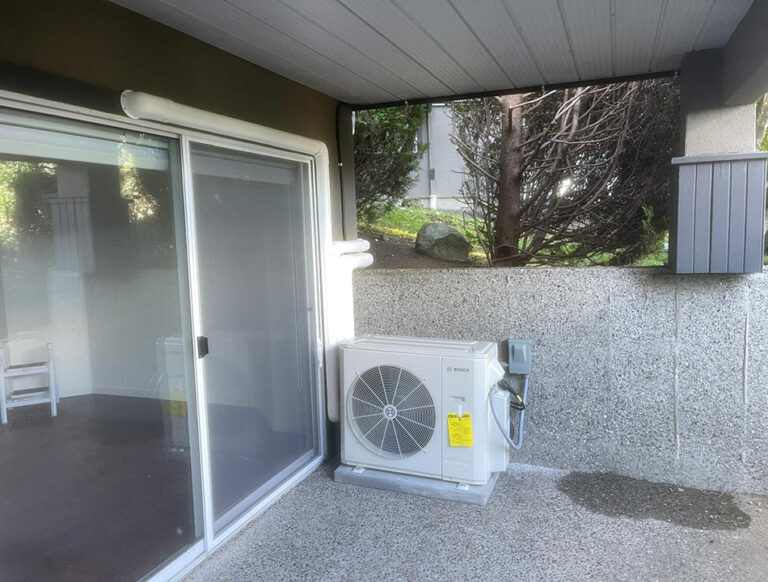
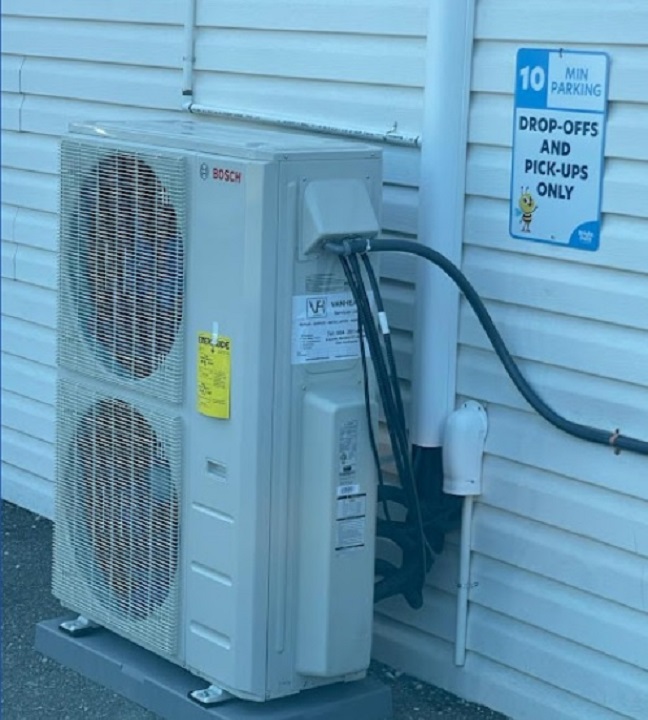
4. Outdoor unit (condenser)
The outdoor box with the fan. Leaves, cottonwood fluff, and debris collect on the fins and reduce heat transfer. Hard frost in winter can also damage fins. Seasonal rinsing and an annual professional inspection (with refrigerant pressure check) keep it running efficiently.
What Happens When You Skip Mini-Split Cleaning
The damage from skipped cleaning compounds. Each year of neglect makes the next year of cleaning more expensive, and the system reaches end-of-life faster.
| Time skipped | What happens | Cost impact |
|---|---|---|
| 6 months | Filters fully loaded, airflow restricted by 10 to 20 percent | Hydro bill 5 to 10 percent higher than baseline |
| 12 months | Coil starts collecting dust, biofilm begins forming on damp surfaces, condensate drain partially obstructed | Hydro bill 8 to 15 percent higher; musty smell at startup |
| 2 to 3 years | Coil heavily fouled, blower wheel coated, biofilm in drain pan, possible water leaks from the indoor head | Professional deep clean now $280 to $450 instead of $180 routine |
| 5+ years | Coil corrosion, blower motor strain, refrigerant pressure imbalance, frequent error codes | Repair quotes $400 to $1,500; lifespan reduced by 5 to 8 years |
Per the math, the cheapest cleaning visit is the one you book before symptoms show up. Once the coil is fouled and biofilm has set in, the chemical clean and labour required is double the cost of routine maintenance.
A Regular Mini-Split Cleaning Schedule That Actually Works
The schedule below is what our team uses for our own homes and recommends to customers across Vancouver, Burnaby and the North Shore. Vancouver homes near busy roads, in wildfire smoke zones, or with pets should run at the shorter end of these intervals.
| Task | Frequency | Who does it |
|---|---|---|
| Rinse washable filters | Every 2 to 4 weeks during heavy use | Homeowner |
| Deeper filter wash with mild soap | Monthly during heavy use, quarterly off-season | Homeowner |
| Wipe front grill and visible vents | Monthly | Homeowner |
| Clear leaves and debris from outdoor unit | Seasonally (4 times per year) | Homeowner |
| Indoor coil chemical clean | Annually | Licensed technician |
| Blower wheel deep clean | Annually (every 2 years for light-use systems) | Licensed technician |
| Condensate drain flush | Annually before cooling season | Licensed technician |
| Outdoor unit inspection and rinse | Annually | Licensed technician |
| Refrigerant pressure check | Annually | Technical Safety BC certified mechanic |
What You Can Do Yourself and What Needs a Technician
Regular mini-split cleaning splits cleanly into homeowner tasks and licensed-technician tasks. Mixing them up either wastes money on a service call you didn’t need or causes damage that costs more than skipping the cleaning would have.
What homeowners can do safely
- Rinse the washable filtersPop them out from behind the front grill, rinse under cool water (no hot water, it can warp the mesh), let them air-dry fully before reinstalling. Do not run the unit with wet filters.
- Wipe down the front grill and visible cabinetDamp microfibre cloth, no chemical cleaners. Avoid spraying anything into the unit.
- Clear the area around the outdoor unitKeep at least 60 cm clear on all sides. Remove leaves, cottonwood fluff, and yard debris. Never spray pressure-washer water directly at the fins.
- Run the unit in fan-only mode for 30 minutes after coolingThis dries the coil and slows biofilm regrowth. The single most underused trick for delaying that musty smell.
What requires a licensed technician
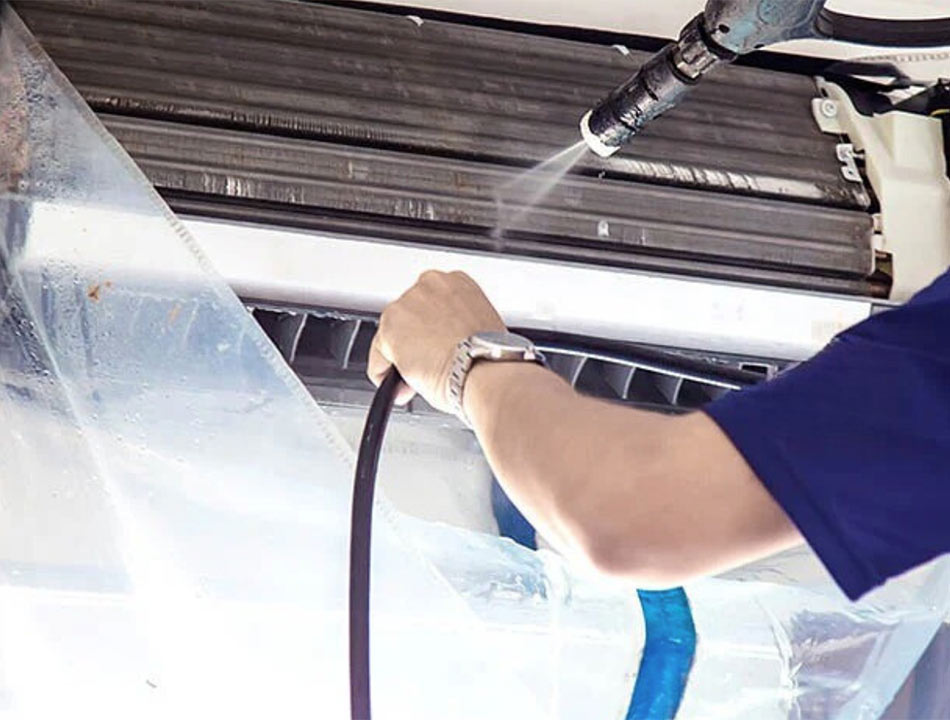
- Indoor coil chemical cleanRemoves the dust and biofilm the filter cannot catch. Requires partial disassembly of the indoor head and proper chemical handling.
- Blower wheel deep cleanSits inside the indoor unit. Cleaning it without disassembly will not reach the wheel. Tech will remove and clean separately.
- Condensate drain flushSpecialty equipment to clear biofilm from the drain line. DIY methods (vinegar, bleach pours) often push biofilm deeper into the line rather than removing it.
- Anything involving refrigerantAccording to Technical Safety BC, refrigerant work in BC is legally restricted to certified refrigeration mechanics. This includes refrigerant pressure checks, leak testing, and any service that involves opening the refrigerant circuit. See heat pump installation and service options if your system needs more than routine cleaning.
Six Signs Your Mini-Split Needs Cleaning Now
If your mini-split shows any of these symptoms, the next regular mini-split cleaning visit should be booked sooner than the calendar suggests.
Musty smell at startup
The classic sign. Biofilm has set in on the cold coil or in the drain pan. Will not resolve with filter cleaning alone. Needs professional coil treatment.
Reduced airflow from the indoor head
Same fan speed setting, less air coming out. Almost always a clogged filter, sometimes a fouled coil. Check filter first; if clean, book service.
Water dripping from the indoor unit
The condensate drain line is partially or fully blocked. Stop using the unit and book service the same week before water damages flooring or drywall.
Higher hydro bill, same usage
Compare this month’s BC Hydro bill against the same month last year. A 10 to 20 percent jump with no rate or weather change usually traces back to a fouled coil or blocked airflow.
Ice forming on indoor coil
Restricted airflow from a clogged filter or fouled coil. Turn off the unit immediately, let the ice melt fully (4 to 6 hours), then book service. Running with iced coil can damage the compressor.
Frequent error codes or shutdowns
Often a sensor reading the system is out of normal operating parameters because of restricted airflow or refrigerant pressure issues. Both need a licensed technician. This is the most common reason homeowners book mid-season service.
Hissing sounds, oil residue around the outdoor unit, or sudden loss of cooling capacity can indicate a refrigerant leak. According to Technical Safety BC, refrigerant work is legally restricted to certified mechanics. Stop using the system and book a Technical Safety BC licensed technician for diagnosis. Do not attempt DIY refrigerant work.
Book Regular Mini-Split Cleaning with Vanheat
Annual coil cleans, condensate drain flushes, and refrigerant pressure checks by Red Seal certified, Technical Safety BC licensed technicians. Same-week appointments across Vancouver, Burnaby, North Vancouver and the Lower Mainland.
How Professional Mini-Split Cleaning Works
A standard professional mini-split cleaning visit takes 60 to 90 minutes per indoor head and covers five steps. You will get before-and-after photos, a written report, and the technician will walk you through anything they flagged.
- Filter inspection and deep washThe mesh filters come out for a chemical wash that removes oils and dust the rinse-only cleaning misses. Replacement filters are installed if the originals are damaged.
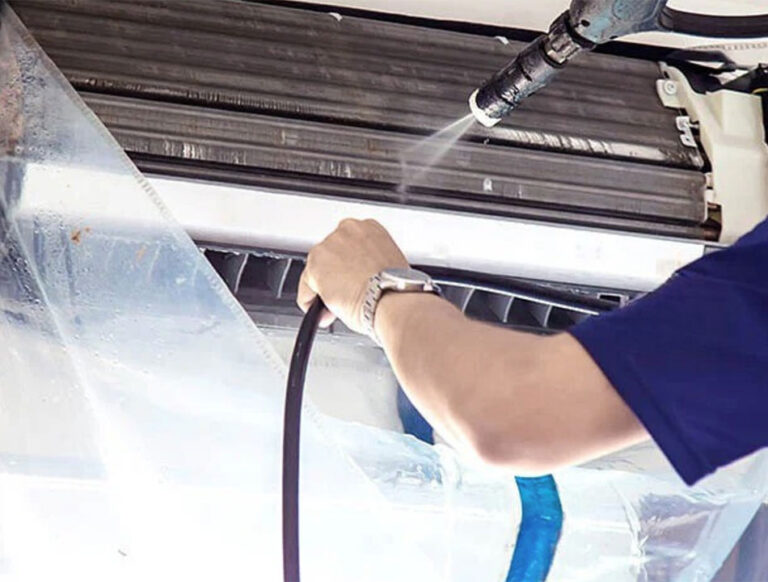
- Indoor coil chemical cleanThe front grill is removed and the evaporator coil is cleaned with a non-acid coil cleaner. This step removes the biofilm responsible for the musty smell most untrained homeowners blame on the filter.
- Blower wheel cleaningThe blower wheel is removed (or thoroughly cleaned in place depending on access) to remove the dust coating that reduces airflow and increases motor strain.
- Condensate drain flushA clearing tool flushes biofilm and standing water from the drain line. The drain pan is cleaned and treated to slow regrowth.
- Outdoor unit service and refrigerant checkFins are straightened, debris is removed, the cabinet is rinsed, and refrigerant pressures are measured against manufacturer specs. Any out-of-spec readings are flagged for repair quote.
After the five steps, you receive a written report listing every reading taken plus photos of cleaned components. If anything surfaced during the inspection that needs repair beyond the cleaning scope, the quote is itemized and emailed within 24 hours so you can decide on your own time.
Mini-Split Cleaning: Common Questions
How often should I clean my mini-split?
Filters need rinsing every 2 to 4 weeks during heavy-use months, with a deeper wash monthly. The indoor coil and condensate drain need professional cleaning once a year. The outdoor unit benefits from a seasonal rinse and a professional inspection annually. Vancouver homes near busy roads, in wildfire smoke zones, or with pets should service their mini-splits at the shorter end of these ranges.
What does professional mini-split cleaning include?
A professional clean covers four areas: indoor unit filters (deep wash and inspection), indoor coil (chemical clean to remove biofilm), blower wheel (dust removal that DIY cleaning cannot reach), condensate drain line (flush to prevent backup and mould), and outdoor unit (fin straightening, debris removal, refrigerant pressure check). The visit usually takes 60 to 90 minutes per indoor head. Most jobs include before-and-after photos.
How much does mini-split cleaning cost in Vancouver?
Professional mini-split cleaning in Vancouver typically runs $180 to $280 for a single indoor head with the matching outdoor unit. Multi-zone systems are quoted per head with a volume discount. Deep cleans that include chemical coil treatment for biofilm or mould remediation run $280 to $450. Annual maintenance plans usually cost less than booking a single visit. Call (604) 281-4790 for a current quote on your specific system.
Can I clean my mini-split myself?
Some of it, yes. You can rinse the washable filters every 2 to 4 weeks, vacuum visible dust from the front grill, and clear leaves and debris from around the outdoor unit. Anything inside the indoor head (the coil, blower wheel, condensate pan), or anything involving refrigerant, must be done by a licensed technician. According to Technical Safety BC, refrigerant work in BC is legally restricted to certified refrigeration mechanics.
What happens if I never clean my mini-split?
Three things happen, in order. First, efficiency drops 5 to 15 percent within 18 months as filters and coils foul, which raises your hydro bill. Second, biofilm forms on the cold coil surfaces and inside the condensate pan, producing the musty smell ductless systems are known for. Third, the system either ices up in cooling mode (blocked airflow) or the blower motor fails from running against restriction. Replacement of a 15-year mini-split that should have lasted 20 is the most expensive outcome.
Why does my mini-split smell musty?
The cold coil surface and condensate drain pan stay damp during cooling season, which is the perfect environment for biofilm and mould. Dust caught in the filter feeds the growth. The musty smell that hits you when the unit starts up is air being pushed across that biofilm. A professional coil and drain clean removes the source. Running the unit in heat or fan-only mode for 30 minutes after cooling helps dry the coil and slows biofilm regrowth.
How long does professional mini-split cleaning take?
A standard single-head clean takes 60 to 90 minutes including filter wash, coil chemical clean, condensate drain flush, blower inspection, and outdoor unit service. Multi-zone systems with 2 to 5 indoor heads usually take 2 to 4 hours. Deep cleans that include biofilm remediation can extend to 2.5 hours per head. We typically book a single 4-hour window for the full job.
Will mini-split cleaning lower my energy bills?
Yes, by 5 to 15 percent in most cases. The exact savings depend on how dirty the system was before cleaning. A unit that has not been serviced in 3+ years often shows the largest jump. According to FortisBC, regularly maintained ductless heat pumps typically retain manufacturer-rated efficiency through their full service life of 15 to 20 years. Skipping maintenance reduces both efficiency and lifespan.